Burnt Orange Wedding Photos
A 1920s clubhouse in the national park bush at Georges Heights, looking over Middle Head and Chowder Bay
Burnt Orange is a restaurant and event house in a 1920s heritage building on Middle Head Road at Georges Heights, Mosman, inside Sydney Harbour National Park. It has traded there since the late 2000s, serving breakfast, lunch and high tea. The Signals Room is the indoor reception space, with a sandstone terrace off it; The Balcony is a covered outdoor room for larger groups; and a garden lawn in the native bush takes the ceremony. The outlook is across Middle Head and Chowder Bay.
We have photographed Burnt Orange Mosman weddings, including Alexa and Chris’s ceremony on the sundial lawn and a blue-hour kiss outside the lit-up clubhouse. Weddings here run up to about 160 guests, with ceremony, drinks on the terrace and dinner all on the one site and the harbour headlands a few minutes' walk for portraits. Veri photographs weddings across Sydney and is available for Burnt Orange wedding photos.
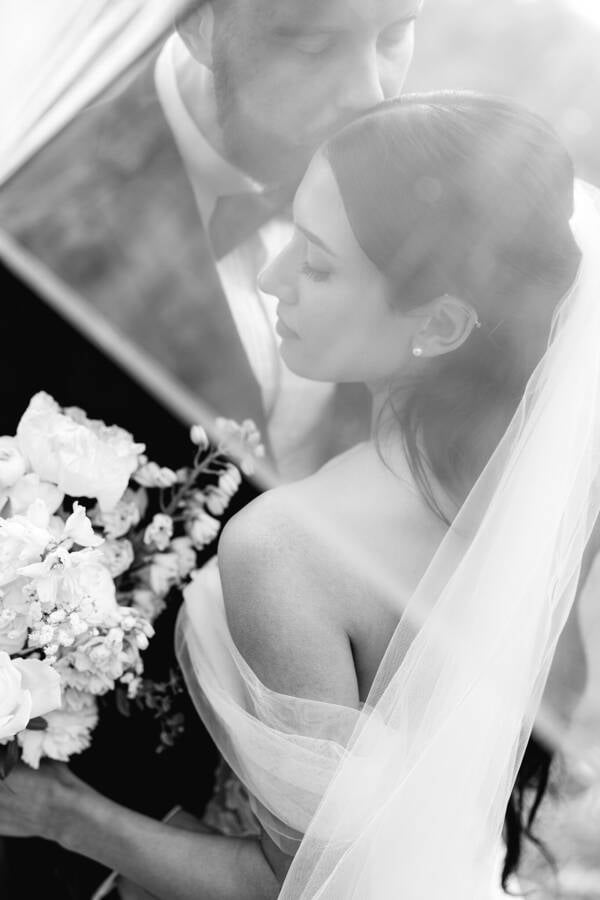
Photographing a wedding at Burnt Orange
The ceremony lawn sits among native bush, which softens afternoon light on the guests and keeps the water showing through the trees. The sandstone terrace catches the late sun and is the spot for the couple once guests move inside for dinner. The sandstone terrace is the wet-weather ceremony option, with the bush and the water still close by. The headland lookouts of Georges Heights are a short walk for a wider harbour frame before dusk.
Read the wedding venue guide
A wedding at Burnt Orange
Burnt Orange keeps the ceremony, drinks and dinner on one headland inside the national park. Vows happen on the tiered lawn by the sundial, with native bush around the chairs and the old sandstone clubhouse above you. Guests then climb the sandstone steps for drinks on the terrace beside the Signals Room, and dinner and dancing move upstairs to the Balcony, which looks out over the harbour. Couples usually get ready in a city or North Shore hotel and arrive by car. Family groups and portraits stay on the lawns and bush tracks of Middle Head, a short walk away.
Seasons on Middle Head
Summer on the harbour is warm and often humid, and the afternoon sea breeze reaches the headland, so a late afternoon ceremony is far kinder than a midday one. Afternoon storms can roll through in the warmer months, which makes the covered terrace a useful fallback. Autumn is the most settled season, with calm, clear days and a long soft dusk. Winter brings cool bright days and the occasional grey, drizzly one, and the sun is gone by about five, so the timeline needs to be tighter. Spring is green and mild, with the bush at its freshest, but the wind can be gusty on the exposed lawn.
Light and timing
Trees shade parts of the lawn, and a ceremony in the last two or three hours before sunset gives the softest light on faces. Overcast days are no loss here, because a grey sky turns the whole lawn into even, flattering light and a white gown keeps its detail. The terrace faces the late sun, which is why we take the two of you back out there once guests move inside. After dark the sandstone walls are lit, and a few minutes outside at blue hour against the glowing clubhouse is the frame we plan the evening around. The lawn is open to the breeze, so a microphone on the celebrant protects your vows.
Planning tips
Do family groups and portraits straight after the vows while the light is generous, especially in winter. Allow twenty minutes to walk out along the headland for a wider harbour frame, and wear shoes that cope with grass, gravel and sandstone steps. Keep a clear umbrella in the car for a Sydney shower; it lets the light through and the photos stay bright. If you arrive by wedding car, ask the driver to pause a minute at the kerb for the veil and the wave before you walk down to the lawn.